About Lithuania
About Lithuania
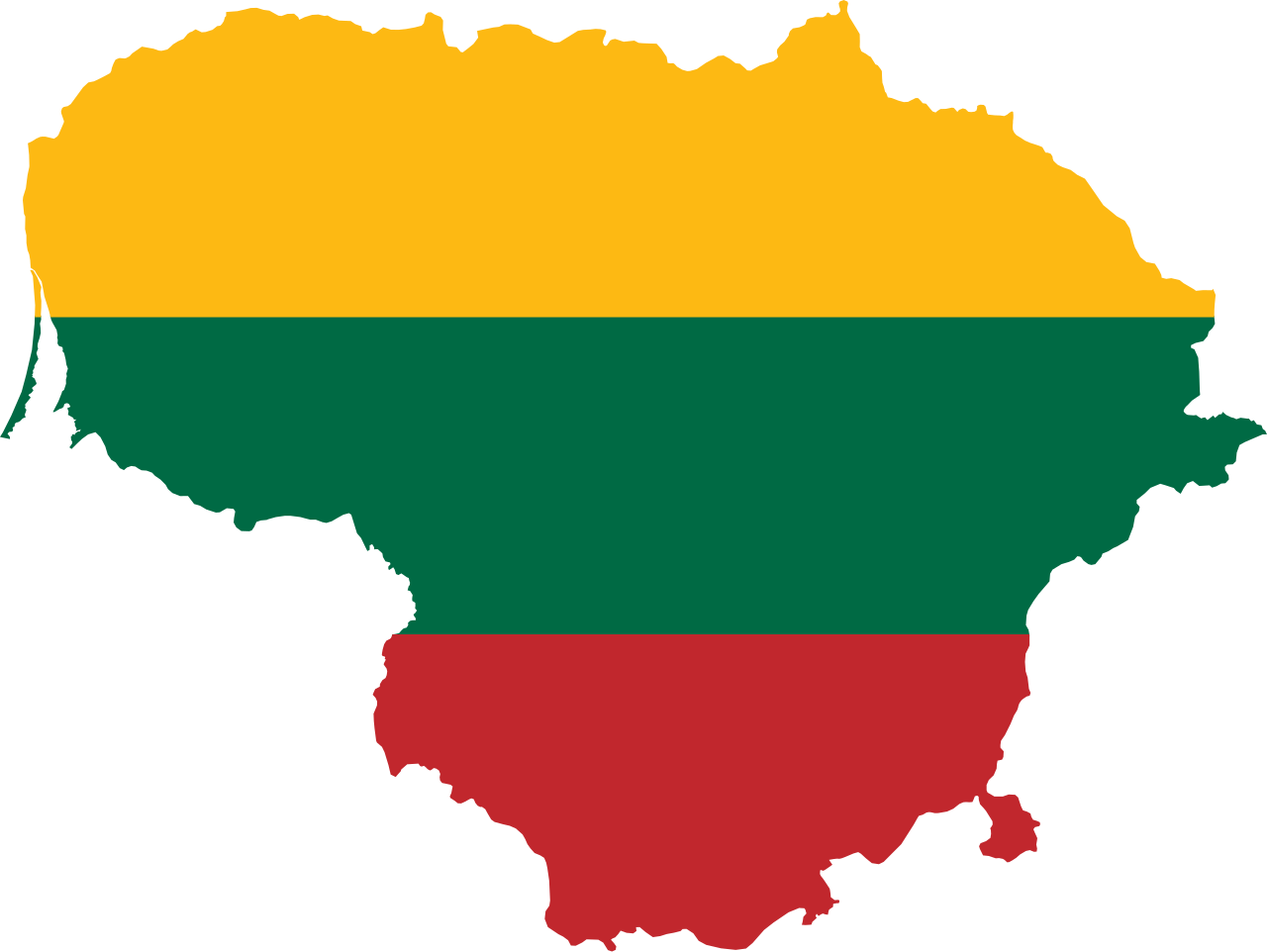
Lithuania at a Glance: Tradition Meets Innovation
Lithuania is a vibrant blend of deep-rooted heritage and cutting-edge progress. Situated at the geographic center of Europe, it has evolved into a dynamic nation known for its lush nature, digital innovation (particularly in FinTech and lasers), and a high quality of life.
📊 Key Statistics
| Category | Details |
| Area | 65,300 km² (Roughly the size of West Virginia or Ireland). |
| Population | ~2.87 Million (One of the most educated workforces in the EU). |
| Capital | Vilnius – The distinct baroque heart and modern tech hub of the country. |
| Currency | Euro (€) (Adopted January 1, 2015). |
| Time Zone | EET (UTC+2) / Summer: EEST (UTC+3). |
| Neighbors | Latvia (North), Belarus (East/South), Poland (South), Russia/Kaliningrad (Southwest). |
🗣️ Language: A Living Fossil
Lithuanian is the sole official language. It holds a prestigious spot in linguistics as the most archaic living Indo-European language, retaining ancient structures found in Sanskrit and Latin.
- Family: Baltic Language Group.
- Relatives: Latvian is the only other surviving relative; the Prussian language is now extinct.
- English Proficiency: English is widely spoken, especially among the youth and in business sectors.
⛪ Religion & Values
Lithuania is culturally Roman Catholic, a legacy that has deeply influenced its history and architecture.
- Demographics: Approximately 74% of the population identifies as Roman Catholic.
- Context: While traditions are respected, modern Lithuania is secular and diverse. The country is famous for the Hill of Crosses, a powerful symbol of faith and peaceful resistance.
🏛️ Political Landscape
The Republic of Lithuania is a stable parliamentary democracy and a staunch member of both the EU and NATO.
- Head of State: The President (leads foreign policy and national defense).
- Executive: The Prime Minister and the Cabinet.
- Legislative: The Seimas (Parliament).
🏙️ Major Cities
Lithuania’s urban landscape is defined by three distinct hubs:
- Vilnius (Pop. ~581,000): The capital. A UNESCO World Heritage Old Town blends seamlessly with glass skyscrapers. It is the political, economic, and cultural engine of the country.
- Kaunas (Pop. ~320,000): The “temporary capital” historically. Famous for its modernist interwar architecture (UNESCO listed) and student energy.
- Klaipėda (Pop. ~162,000): The port city. Known for German-influenced architecture, jazz festivals, and being the gateway to the Curonian Spit.
🌲 Culture & People: The “Northern” Spirit
Lithuania sits at the crossroads of East and West, but in recent decades, it has firmly identified with the Northern European lifestyle. It is a country of contrasts: vast, quiet forests and buzzing startup hubs; ancient folk songs (sutartinės) and high-speed fiber internet.
The Lithuanian Character Visitors often describe Lithuanians as “coconuts”—a hard shell with a soft interior.
- Reserved but Sincere: Lithuanians can appear stoic, calm, or shy upon first meeting. Small talk is not a national pastime; authenticity is.
- Loyal Hospitality: Once the initial barrier is broken, Lithuanians are incredibly friendly, generous, and loyal.
- Nature Lovers: With deep respect for their surroundings, locals spend their weekends foraging for mushrooms, hiking in the forests, or relaxing by the lakes.
Why Visit or Invest? With a cost of living lower than Western Europe but a quality of life that matches it, Lithuania is an attractive destination for tourism, education, and business. It is a safe, green, and forward-thinking nation eager to share its unique perspective with the world.